> ## Documentation Index
> Fetch the complete documentation index at: https://docs.userplane.io/llms.txt
> Use this file to discover all available pages before exploring further.
# Angular Integration
> Install Userplane in an Angular application using APP_INITIALIZER
This guide covers how to install Userplane in an Angular application.
## Adding the script
The fastest way to add Userplane is the CDN embed. Add these two tags to the `` of `src/index.html`:
```html theme={null}
```
You can copy the snippet with your workspace ID pre-filled from **Workspace Settings > Domains** in the Userplane dashboard.
## npm SDK
Use the npm SDK when you need programmatic control — triggering recordings from a button, attaching user metadata, or reading recording state.
### Installation
```bash npm theme={null}
npm install @userplane/sdk
```
```bash yarn theme={null}
yarn add @userplane/sdk
```
```bash pnpm theme={null}
pnpm add @userplane/sdk
```
```bash bun theme={null}
bun add @userplane/sdk
```
### Initialization
Create an initializer factory and register it with `APP_INITIALIZER` in your app config. Angular calls `APP_INITIALIZER` providers during bootstrap, before the first component renders.
```typescript theme={null}
// src/app/initializers/userplane.initializer.ts
import { initialize } from '@userplane/sdk';
import { environment } from '../../environments/environment';
export function provideUserplane() {
return () => {
initialize({ workspaceId: environment.userplaneWorkspaceId });
};
}
```
```typescript theme={null}
// src/app/app.config.ts
import { ApplicationConfig, APP_INITIALIZER } from '@angular/core';
import { provideRouter } from '@angular/router';
import { provideUserplane } from './initializers/userplane.initializer';
import { routes } from './app.routes';
export const appConfig: ApplicationConfig = {
providers: [
provideRouter(routes),
{
provide: APP_INITIALIZER,
useFactory: provideUserplane,
multi: true,
},
],
};
```
Store the workspace ID in your environment file:
```typescript theme={null}
// src/environments/environment.ts
export const environment = {
production: false,
userplaneWorkspaceId: 'ws_abc123',
};
```
```typescript theme={null}
// src/environments/environment.prod.ts
export const environment = {
production: true,
userplaneWorkspaceId: 'ws_abc123',
};
```
Angular CLI replaces `environment.ts` with `environment.prod.ts` for production builds automatically.
### URL parameters
When a customer opens a recording link, Userplane appends `userplane-token` and `userplane-action` to the URL. If your app uses route guards that redirect unauthenticated users, preserve the `userplane-` prefixed parameters through the redirect:
```typescript theme={null}
// src/app/guards/auth.guard.ts
import { inject } from '@angular/core';
import { CanActivateFn, Router } from '@angular/router';
import { ActivatedRouteSnapshot } from '@angular/router';
export const authGuard: CanActivateFn = (route: ActivatedRouteSnapshot) => {
const router = inject(Router);
const authService = inject(AuthService);
if (!authService.isAuthenticated()) {
const queryParams: Record = {};
for (const [key, value] of Object.entries(route.queryParams)) {
if (key.startsWith('userplane-') && typeof value === 'string') {
queryParams[key] = value;
}
}
router.navigate(['/login'], { queryParams });
return false;
}
return true;
};
```
See [Installation](/developer/installation) for the full list of parameters.
## Sensitive data
Add `data-userplane-blur` to any element you want blurred in recordings. See [Sensitive Data Redaction](/developer/sensitive-data-redaction) for the full reference.
## Metadata
Call `set()` inside the initializer factory after `initialize()`:
```typescript theme={null}
// src/app/initializers/userplane.initializer.ts
import { initialize, set } from '@userplane/sdk';
import { environment } from '../../environments/environment';
export function provideUserplane() {
return () => {
initialize({ workspaceId: environment.userplaneWorkspaceId });
set('environment', environment.production ? 'production' : 'development');
};
}
```
See [Metadata SDK](/developer/metadata-sdk) for the full API.
## Example app
A complete Angular example is available at [github.com/userplanehq/userplane-sdk-examples/tree/main/examples/angular](https://github.com/userplanehq/userplane-sdk-examples/tree/main/examples/angular).
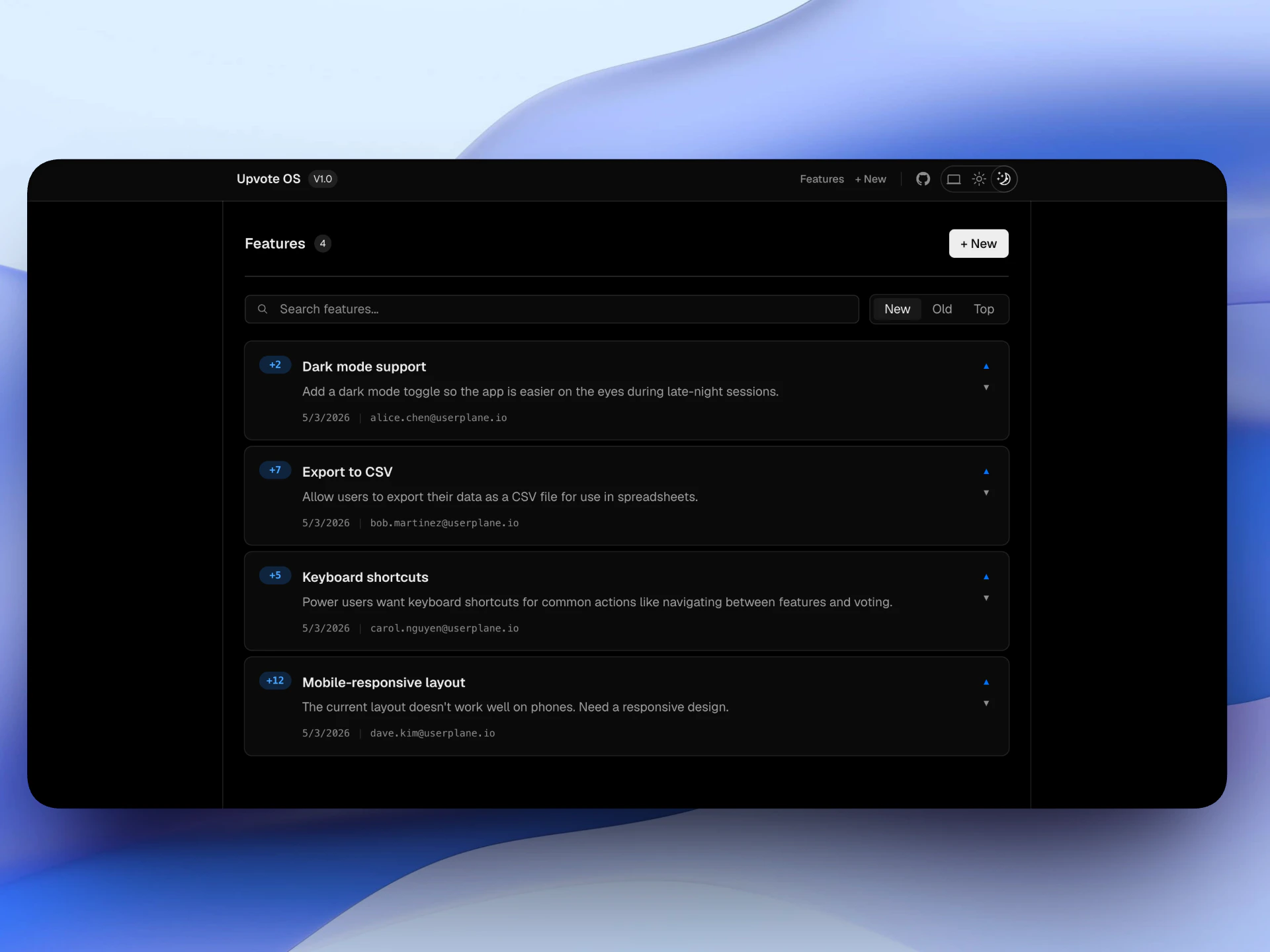 | Variable | Description |
| ------------------------ | ----------------------------------------------------- |
| `USERPLANE_WORKSPACE_ID` | Your Userplane workspace ID (set in `environment.ts`) |
```bash theme={null}
cd examples/angular && npm install && ng serve
```
## Related articles
* [Installation](/developer/installation) — CDN script placement, CSP, and redirect handling.
* [Web SDK](/developer/web-sdk) — full SDK API reference.
* [Metadata SDK](/developer/metadata-sdk) — attach user context to recordings.
* [Sensitive Data Redaction](/developer/sensitive-data-redaction) — blur sensitive content in recordings.
| Variable | Description |
| ------------------------ | ----------------------------------------------------- |
| `USERPLANE_WORKSPACE_ID` | Your Userplane workspace ID (set in `environment.ts`) |
```bash theme={null}
cd examples/angular && npm install && ng serve
```
## Related articles
* [Installation](/developer/installation) — CDN script placement, CSP, and redirect handling.
* [Web SDK](/developer/web-sdk) — full SDK API reference.
* [Metadata SDK](/developer/metadata-sdk) — attach user context to recordings.
* [Sensitive Data Redaction](/developer/sensitive-data-redaction) — blur sensitive content in recordings.